Monday, June 16, 2025

Quick Picks: 10 Veggies That Thrive in Containers and Are Ready to Eat in No Time

So, you’ve got a few pots, a patch of sunlight, and a craving for homegrown goodness. Perfect. Container gardening is one of the easiest ways to dip your toes into growing food—without needing a backyard or a degree in botany.

In this post, I’ve picked 10 beginner-friendly veggies and herbs that grow well in containers, don’t need much fuss, and are ready for harvest faster than you can say “Where’s my salad bowl?” For each, I’ve added quick info like how easy they are to grow, how much sun they like, how deep their roots go, and how soon you’ll get to taste the results. Think of it as your container gardening cheat sheet.

Let’s dig in:


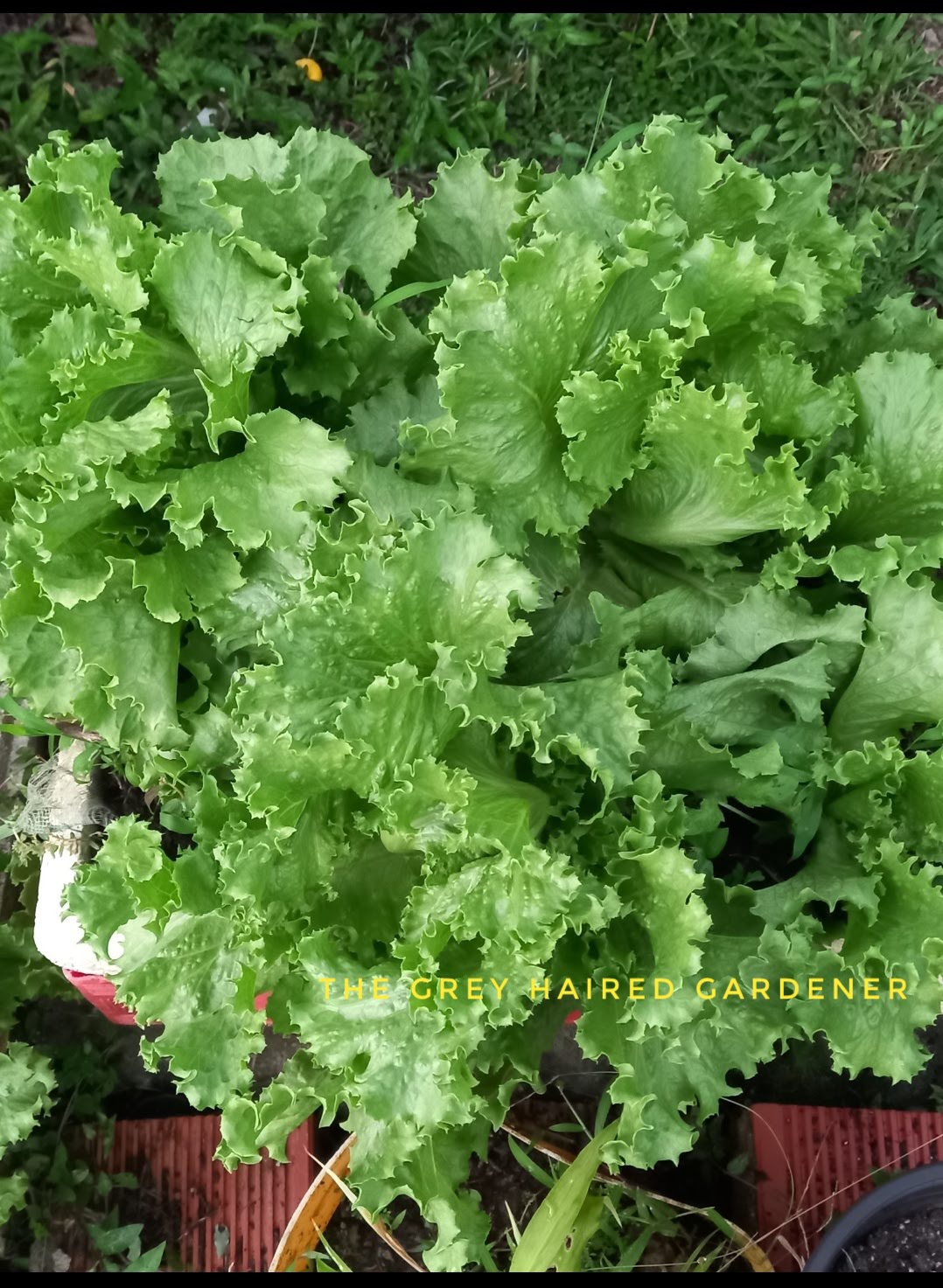
🥬 1. Lettuce

  • Ease of Growing: ★★★★★

  • Maintenance: Low

  • Days to Harvest: 30–45 days

  • Sun: Partial to full sun

  • Root Depth: Shallow (6–8")

  • Pot Tip: A wide, shallow container works best. Keep soil moist and cool.

Grey-Haired Tip: Grow loose-leaf types like Romaine or Butterhead in temperate areas and Trinity and Muir in Tropical areas—harvest the outer leaves as needed.

🌶️ 2. Peppers (Hot or Sweet)

  • Ease of Growing: ★★★★☆

  • Maintenance: Moderate

  • Days to Harvest: 60–90 days

  • Sun: Full sun

  • Root Depth: Deep (12–18")

  • Pot Tip: Use a 3–5 gallon pot minimum. Loves heat, so keep it warm.

Grey-Haired Tip: Add some Epsom salts to boost magnesium and watch those peppers pop.

                                      Image Credit: Olga Korica from Shutterstock

🌱 3. Radish

  • Ease of Growing: ★★★★★

  • Maintenance: Very Low

  • Days to Harvest: 25–30 days

  • Sun: Full sun

  • Root Depth: Shallow (4–6")

  • Pot Tip: Great for shallow trays. Don’t overcrowd—give them room to bulb out.

Grey-Haired Tip: These are the sprinters of the veggie world. Great confidence booster for new gardeners!

                                Image Credit: Michaela Wenzler from Pixabay


🍅 4. Tomatoes (Cherry or Patio types)

  • Ease of Growing: ★★★★☆

  • Maintenance: Medium

  • Days to Harvest: 60–85 days

  • Sun: Full sun (6+ hours daily)

  • Root Depth: Deep (12–18")

  • Pot Tip: Needs support for indeterminate varieties and consistent watering. Use a 5-gallon container at least.

Grey-Haired Tip: Don’t forget to feed them! They’re hungry plants—compost or tomato feed does wonders.

Image Credit: artofit.org


🧅 5. Green Onions (Scallions or  called 'Chives' in Trinidad and Tobago)

  • Ease of Growing: ★★★★★

  • Maintenance: Low

  • Days to Harvest: 30–45 days

  • Sun: Partial to full sun

  • Root Depth: Shallow (4–6")

  • Pot Tip: Small pots or window boxes work well. You can regrow them from store-bought ones too.

Grey-Haired Tip: Harvest just the green leaves  only for a cut-and-come-again bonus.


🥒 6. Cucumbers (Bush variety)

  • Ease of Growing: ★★★★☆

  • Maintenance: Moderate

  • Days to Harvest: 50–70 days

  • Sun: Full sun

  • Root Depth: Medium (10–12")

  • Pot Tip: Bush types do best in containers. Use a large pot with a small trellis if needed.

Grey-Haired Tip: Keep them well-watered. Dry spells = bitter fruit.

                            Image Credit:  Marty Baldwin (Sourced from www:bhg.com)


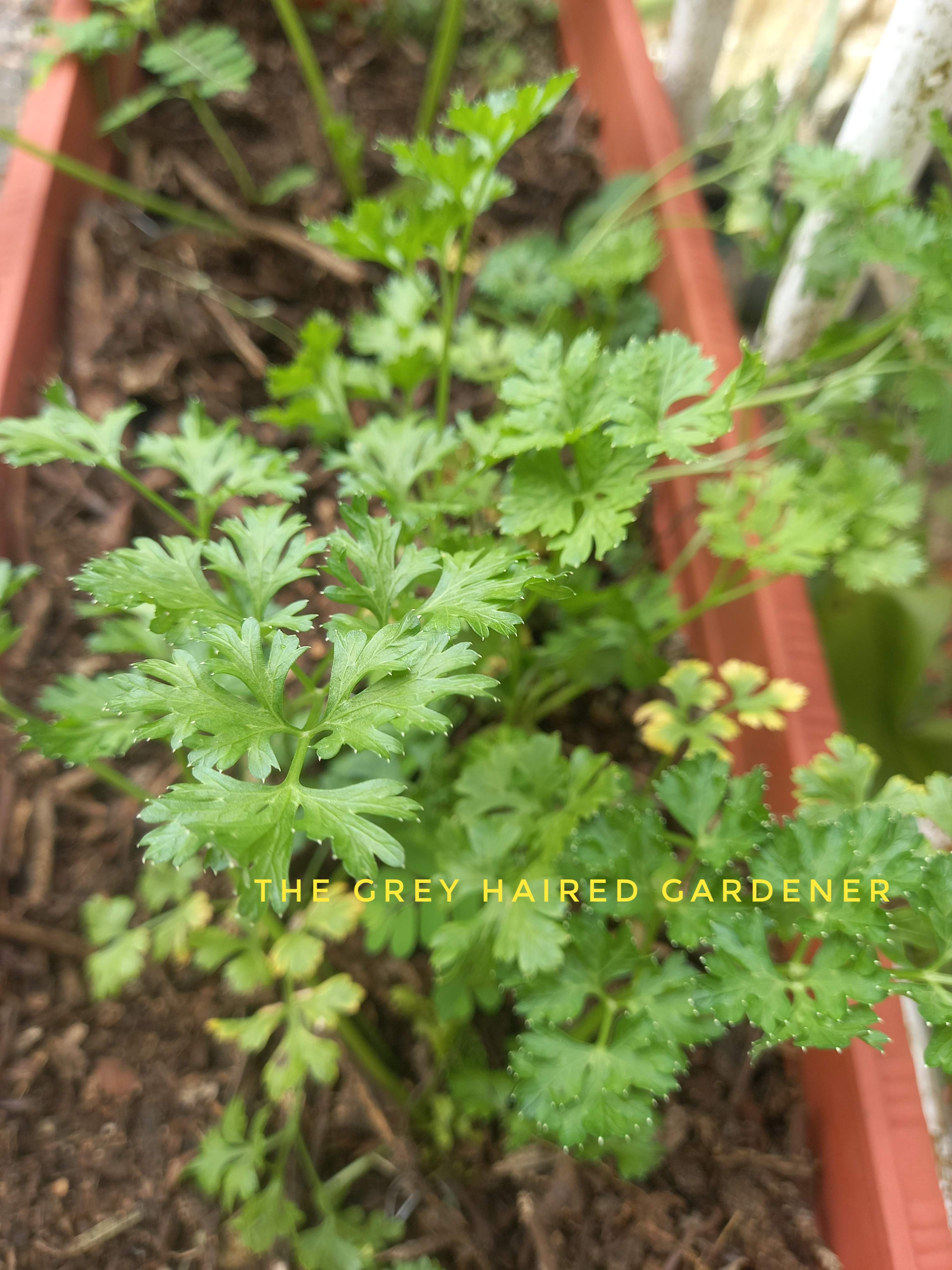
🌿 7. Parsley

  • Ease of Growing: ★★★★☆

  • Maintenance: Low

  • Days to Harvest: 40–60 days

  • Sun: Partial sun

  • Root Depth: Medium (6–8")

  • Pot Tip: Shallow root system so a small container works well. Slow starter but worth the wait.

Grey-Haired Tip:  Harvest the lower leaves instead of the entire plant to extend the life of the plant. 


🫘 8. String Beans (Bush type)

  • Ease of Growing: ★★★★★

  • Maintenance: Low

  • Days to Harvest: 50–60 days

  • Sun: Full sun

  • Root Depth: Medium (8–10")

  • Pot Tip: Go for bush varieties in a wide container. Water consistently.

Grey-Haired Tip: Harvest often to keep the plant producing. Beans like to show off.
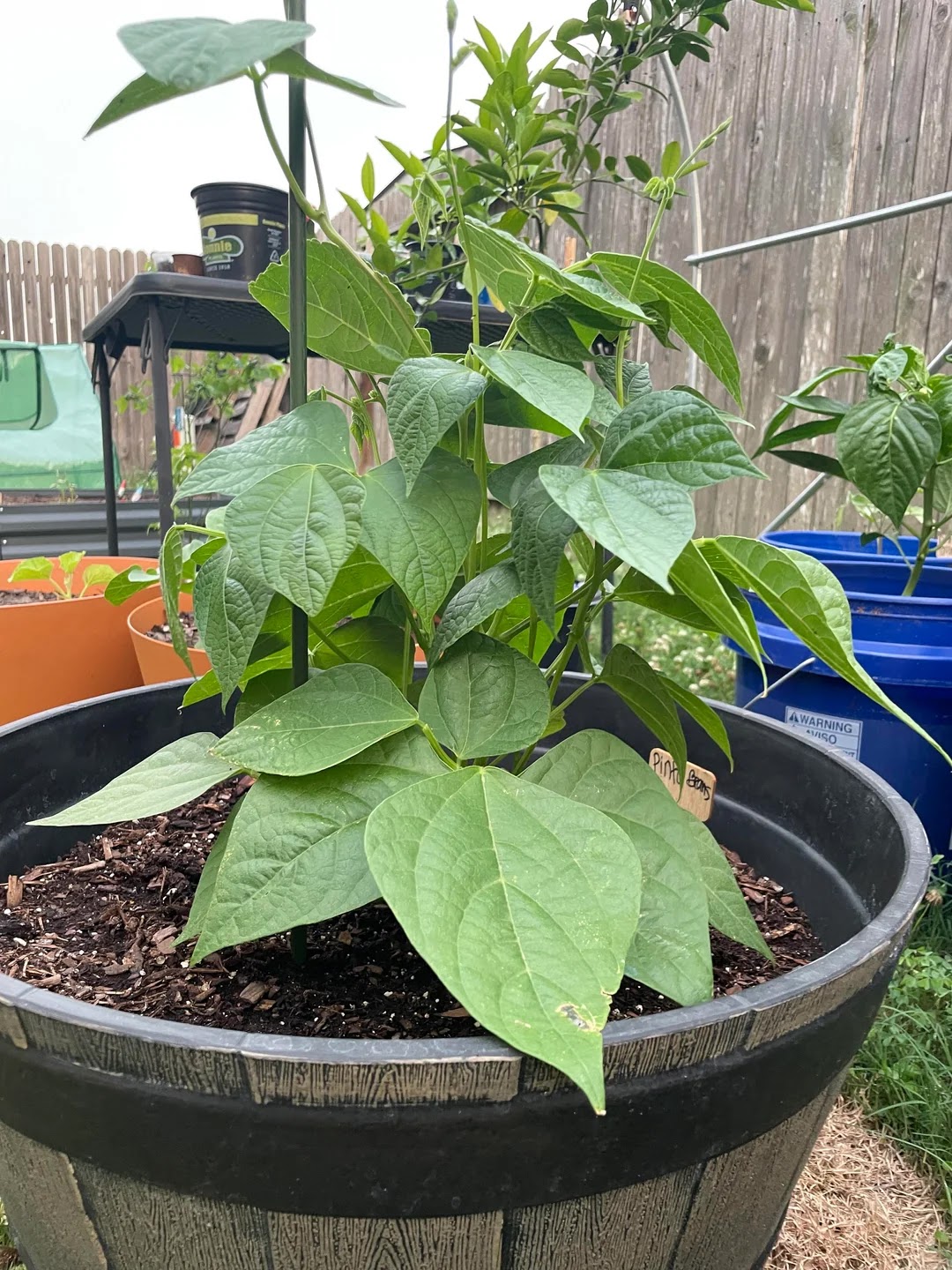
Image Credit: Reddit


🌿 9. Basil

  • Ease of Growing: ★★★★★

  • Maintenance: Low

  • Days to Harvest: 30–45 days

  • Sun: Full sun

  • Root Depth: Shallow (6–8")

  • Pot Tip: Loves warmth and hates soggy roots—well-drained soil is a must.

Grey-Haired Tip: Pinch off flower buds to keep it leafy and lush. Sniff often—it’s good for the soul. Pot extra cuttings into new plants or make delicious pesto!
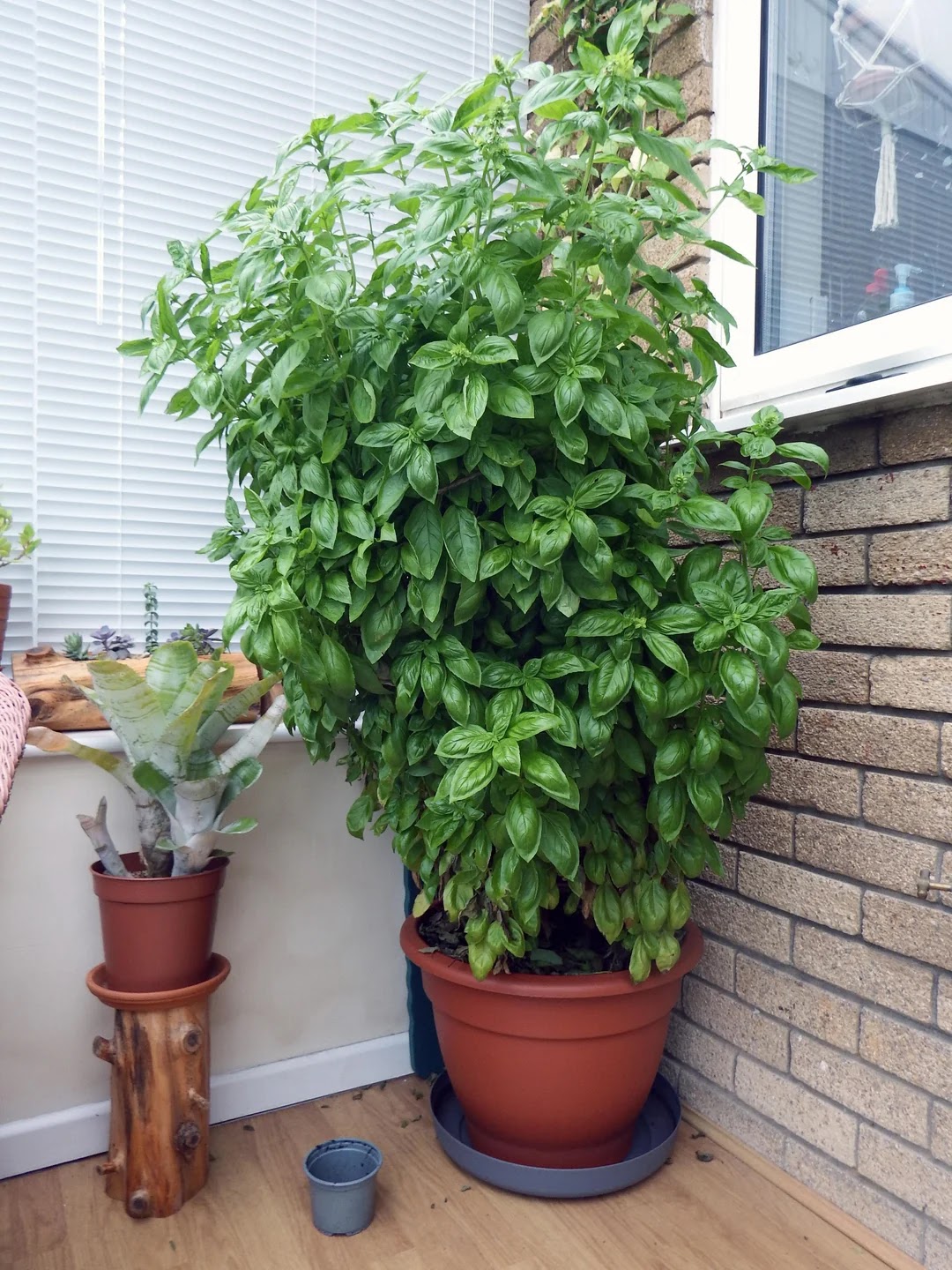
                                                                   Image Credit: Reddit


🥬 10. Pak Choi / Bok Choi

  • Ease of Growing: ★★★★☆

  • Maintenance: Low

  • Days to Harvest: 30–40 days

  • Sun: Partial to full sun

  • Root Depth: Medium (8–10")

  • Pot Tip:  Space closer together for tight heads or wider for open growth habit. Shallow, wide pots work well.

Grey-Haired Tip: Try baby bok choi—it’s tender, fast, and perfect for stir-fries.

                                            Image Credit: Reddit


Final Thoughts from the Garden Bench...

Starting small is smart. These plants don’t need a fancy setup or a big backyard—just a bit of love, water, and sunshine. Pick a few from the list, grab a pot, and start growing your own food—in your back yard, patio, windowsill, or back step.

Remember: Every harvest, no matter how tiny, is a win. It means you grew something with your own two hands. And that’s pretty incredible!

So here’s to dirty fingernails, fresh flavours, and your first container harvest. Let’s grow!


 Happy Gardening!

🌱The Grey-Haired Gardener


Friday, June 13, 2025

How to Care for Your Garden Tools (and Make Them Last Years)


                                                Image Credit: Gary Barnes from Pexels.com

You've picked up your essential tools, rolled up your sleeves, and started growing. But here’s the honest truth—tools only serve you well if you take care of them

Today I want to talk about simple, smart habits that keep your tools in top shape for years to come. No need for fancy stuff—just a little know-how, a few minutes of your time, and maybe an old rag or two, you can protect your investment and ensure your tools serve you well season after season.

Grab your free printable Garden Tool Care Checklist below!


1. 🌧️ Keep Them Clean

Why it matters: Soil, sap, and moisture left on your tools can lead to rust, dullness, and even spread plant diseases.
What to do: After every use, wipe off dirt with a dry cloth or rinse off with water (especially for tools like trowels and forks). For pruners, scrape off sap with a bit of steel wool or an old toothbrush.

Below:  Clean garden trowel 
                                                    Image Credit: Erik Mclean from Pexels.com

Below:   Dirty shovel showing rust and caked on mud from previous use  

                                            Image Credit : Manfredrichter from Pixabay.com

2. 💧 Dry Tools Thoroughly

Why it matters: Even stainless steel can rust if left wet too long.
What to do: After cleaning, dry your tools completely—especially the metal parts. Lay them in the sun for a bit or use an old towel.

                                                            Image Credit: Gardenknocks.com

                                     Keep it dry to keep the rust away.


3. 🔪 Sharpen Blades Regularly

Why it matters: Sharp tools make clean cuts, reduce plant damage, and are safer to use.
What to do: Use a sharpening stone, file, or even a bit of sandpaper on your pruners, shears, and hoes. A few swipes a month makes a big difference.


4. 🛢️ Oil the Moving Parts

Why it matters: Oiling prevents rust, friction, squeaks, and excessive wear.
What to do: Add a drop or two of vegetable oil or machine oil to pruner springs, hinges, and blades. Wipe off the excess.

                                         A little oil goes a long way


5. 🧼 Disinfect Between Plants (Especially When Pruning)

Why it matters: Fungal spores and bacteria spread easily between plants via tools.
What to do: Wipe blades with rubbing alcohol or a 1:10 bleach solution after cutting infected plants or before switching plants.


6. 📦 Store Them Properly

Why it matters: Tossed-in tools chip, rust, and dull.
What to do: Hang tools on hooks, keep them off the ground, and store them in a dry place. Even a clean bucket with sand and oil can work for pruners and trowels!

Image Credit: iam_os  from Unsplashed.com

7. 🗓️ Do a Monthly Check-In

Why it matters: Prevent small issues from becoming big ones.
What to do: Once a month, inspect your tools for cracks, loose handles, dull edges, or rust. A quick fix now saves a replacement later.

                                                Image Credit: Stocksnap from Pixabay.com


🌿 A Little Love Goes a Long Way

You don’t need a workshop or a shed full of power tools—just a few minutes of care makes a world of difference. Treat your tools well, and they’ll reward you every growing season with reliability and ease as well as save you from costly replacements.

Keep reading for our printable “Garden Tool Care Checklist”
And as always, let me know in the comments—what’s your best tool care tip? Or your biggest mistake? Let’s learn from each other.

“Grab your free printable Garden Tool Care Checklist below!”

 Download your Free Printable Garden Tool Care Checklist (PDF)

Until next time, may your tools stay sharp and your soil stay rich! 🌿✍️

🌱The Grey-Haired Gardener

Sunday, June 8, 2025

Seeds or Seedlings? Let’s Break Down When to Use Each Option for Maximum Success (and Minimum Stress!) 🌱

Hello, fellow gardeners! 

If you’ve ever stood in the garden shop holding a seed packet in one hand and a seedling tray in the other, undecided… you're not alone. Let’s settle this once and for all—when should you start from seed, and when is it smarter to go with seedlings?

I've been there but here's what I've learned, the easy way and the hard way:


🌱 Start from Seeds When...


                                                            Image Credit: Istockphoto.com

1. You’re on a budget.
Seeds are way cheaper than seedlings, and a single packet can give you dozens of plants—if not more!

2. You want full control from day one.
Starting from seed lets you pick the exact variety you want, skip the chemicals, and raise your plants your way.

3. You’re sowing fast-growing crops.
Veggies like lettuce, pak choi, and beans grow so quickly from seed that buying seedlings is honestly just showing off.

                                                            Image Credit: Istockphoto.com

4. You’re planting root crops.
Carrots, radish and beetroot hate being transplanted—start these directly in the soil or prepare for stubby little weirdos.

5. You’re feeling patient or experimental.
Starting from seed is a longer process, but it’s magic watching life sprout from something so tiny. Bonus: you’ll learn a lot!


🌿 Choose Seedlings When...


                                     Image credit: Greta Hoffman from Pexels.com                                    

1. You want a head start.
Seedlings get you harvesting faster, or if you’re just a little impatient (no judgment here).

2. You’re growing slowpokes.
Peppers, tomatoes, and eggplant take a little to get going from seed. Unless you love a long-term commitment, let the nursery take all the hassle work.

                                                    Image Credit: Judith Knight from Pexels.com

3. You’re short on time or space.
If you don’t have a setup for seed-starting, seedlings are your stress-free shortcut to garden success.

4. You want instant garden vibes.
Let’s be real—popping in some seedlings makes your garden look alive right now. A quick win can be the boost you need to keep going.

5. You’re still learning the ropes.
Seedlings are more forgiving. If you're new to gardening, starting with a few healthy nursery plants can help build your confidence without the pressure of babying seeds.


So, What’s the Verdict?

Do both!
Start easy stuff from seed and buy seedlings for the tricky bits. Over time, you’ll figure out what works for your space, schedule, and style.


Final Thought from the Grey-Haired Gardener 🌿


Image Credit: stockcake.com

Whether you're sowing seeds with trembling fingers or placing seedlings into pots, you're doing something wonderful—you're growing. And trust me, even the pros mess it up sometimes. The key? Keep going, keep learning, and don’t be afraid to get a little dirt under those fingernails. 💚

Now go forth and plant—with confidence!


Happy Gardening!

The Grey-Haired Gardener🌸

Thursday, June 5, 2025

7 Essential Tools Every Beginner Gardener Needs (and None of Them Need to Break the Bank)


Image credit: Gary Barnes from Pexels .com

Let’s face it: walking into a garden store can feel a bit like landing on another planet. Rows of gleaming tools, fancy gadgets with unpronounceable names, and price tags that make your wallet flinch. But here’s a little secret from someone with dirt permanently lodged under their fingernails: you only need a handful of basic tools to get started—and most of them are multi-taskers.

So before you buy that self-watering, Bluetooth-enabled, solar-powered compost tumbler (yes, that’s a thing), let’s get back to the down-to-earth basics.

Here are 7 essential gardening tools that will take you from clueless to confident, faster than you can say “pass the pruners.”


1. Hand Trowel

What it does: Digging small holes, transplanting seedlings, scooping soil or compost, and even helping with weeding.
Why it matters: Think of this as your garden’s version of a spoon—small but mighty. Choose one with a sturdy metal blade and a comfortable grip.
Double duty: A good trowel can also scrape out stubborn weeds or mix up potting soil like a mini spatula.

                                      Image Credit: Gryffyn m from Pexels.com


2. Pruning Shears (Secateurs)

What it does: Snipping dead leaves, trimming herbs, shaping shrubs, and harvesting veggies.
Why it matters: Sharp shears make clean cuts, which means healthier plants. Dull blades crush stems and invite disease.
Tip: Bypass pruners are best for live stems. Anvil pruners are better for dry, woody bits. But if you're just starting, go with a basic bypass type.

                                            Image Credit : RDNE Stock Project from Pexels.com


3. Garden Gloves

What they do: Protect your hands from thorns, splinters, blisters, stings, and surprise centipedes (yes, that happened).
Why they matter: Good gloves make you brave. They turn "ugh" into "I’ve got this."
Look for: Durable but breathable fabric, with reinforced fingertips and a snug wrist. Bonus points if they're machine washable.

                                Image Credit : Greta Hoffman from Pexels.com

4. Watering Can (or Hose with Nozzle)

What it does: Delivers water exactly where it’s needed—roots, not leaves.
Why it matters: Overhead watering wastes water and encourages fungus. A good can or hose lets you aim low and go slow.
Pro tip: A long-spout can gives you better reach in tight spots like containers and raised beds.

                                                Image Credit: RDNE Stock Project from Pexels.com


5. Garden Fork or Hand Fork

What it does: Loosens compacted soil, lifts roots or bulbs, mixes compost, and rips out tenacious weeds.
Why it matters: It’s your muscle tool—small but tough. Especially useful if you're digging in clay or heavy soil.
Bonus: The hand fork doubles as a mini rake for smoothing out seed beds or breaking up clods.

                                        Image Credit : Roberto Catarinicchia from Unsplashed


6. Hoe 

What it does: Weeding, digging trenches, edging beds, chopping roots—depends on what you choose.
Why it matters: A hoe is great for keeping weeds down in larger beds. 
Try this: If you garden in containers or tight spaces, a hand hoe might be your new best friend.

                                    Image Credit : Greta Hoffman from Pexels.com


7. Rake (or Hand Rake for Small Spaces)

What it does: Gathers leaves, levels soil, spreads mulch, and smooths out garden beds.
Why it matters: It tidies up messes like a broom does indoors—essential for prepping a clean bed for planting or clearing debris.
Space saver: A hand rake is perfect for balcony gardens or working around tight corners in raised beds.
              

                             Image Credit: Ibrahim Yazgan         Image Credit: Pexels.com

A Quick Word on Cost (and Confidence)

None of these tools need to be fancy or expensive. In fact, some of my favourite tools came from secondhand shops, hardware stores, or even passed down from gardening friends. What matters most is comfort, durability, and fit—kind of like a good pair of walking shoes or jeans! You’ll get to know which ones you reach for most often. (My go-to? The trusty hand trowel. It’s never far from reach.)

Ask Yourself:

  • Does it feel good in your hand?

  • Is it sturdy enough for your soil type?

  • Can it multitask?

If the answer’s yes, you’re good to grow. 👍


Over to You, Fellow Gardeners!

I’d love to know: What’s your go-to tool? The one you’d take to a deserted island (with great soil, sunshine and decent rainfall, of course)? Share your favourites in the comments below—we gardeners always learn best from each other.

And stay tuned, because in our next post we’ll talk about how to care for your tools so they last for years (and don’t turn into rusty garden goblins over the rainy season).


Until then, dig in, get dirty, and grow something wonderful.
Your garden doesn’t care if you’re an expert—it just wants you to begin.

The Grey-Haired Gardener🌸

Wednesday, June 4, 2025

Zero to Garden Hero: How to Start a Garden When You’ve Never Grown a Thing

So, you want to grow your own food but think you’ve got a “black thumb”? Here's a secret: there's no such thing. Only impatient gardeners—and the wrong plant in the wrong place. Every master gardener once stood where you are, staring at a patch of dirt (or a sunny porch), wondering if anything would grow.

The truth? Plants want to grow. Your job is to give them the basics… and get out of their way.

Let’s turn you into a garden hero.


1. Start Small, Dream Big

Most newbies go overboard. Slow down. Start with just 3–4 plants.

🌱 Small-space gardeners: Use pots on a balcony or windowsill. In the Caribbean, try basil, hot peppers, or cherry tomatoes. In temperate zones, start with lettuce, herbs, or radishes.

🌿 Backyard beginners: Mark off a 4x4 foot space or build one raised bed. That’s plenty to grow salad greens and feel like a pro.

 Image credit: Wouter from Unsplashed

                                               Image Credit : Ravi Sharma from Unsplashed

                                            Image credit: Pepijn_M from Unsplashed

Get started on the right foot with this easy checklist — perfect for beginners! 
Want a free printable to guide you? 


2. Know Your Sun (It’s Everything)

Plants are solar-powered. Spend a week watching how sunlight moves across your space.

  • Full sun (6+ hrs): Great for tomatoes and peppers

  • Partial sun (3–6 hrs): Ideal for herbs and leafy greens

  • Shade (<3 hrs): Try parsley, spinach, or lettuce

In the Caribbean, afternoon shade is helpful. In temperate zones, morning sun is gentler.

                                        Image Credit: Emily Park from Unsplashed

3. Soil Is Your Foundation (Don’t Overthink It)

Healthy soil = happy plants. You don’t need a degree in soil science—just follow this:

  • Containers: Use a good quality potting mix (not garden soil)

  • In-ground: If it’s too hard or too sticky, mix in compost

The squeeze test: Grab a handful of moist soil.

  • Holds shape but crumbles = good

  • Falls apart = too sandy

  • Stays in a clump = too much clay

  • Add compost to fix both!

                                                Image Credit: Jing from Pixabay


4. Master Watering (Without Drowning Anything)

More plants die from overwatering than neglect. Here’s how to avoid it:

  • Finger test: Stick your finger 1–2 inches deep. Dry? Water. Moist? Wait.

  • Water deeply, not daily: Encourage strong roots.

  • Best time: Early morning (avoids heat or overnight damp).

  • Tip for pots: Add a saucer and water from below—plants will “drink” from the bottom.

                                                            Image Credit: Envato

5. Choose Easygoing Plant Allies

Start with plants that don’t need constant babysitting.

Caribbean champs:

  • Sweet basil

  • Hot peppers

  • Cherry tomatoes

  • Lettuce (partial shade)

Temperate favorites:

  • Lettuce, spinach

  • Radishes (ready in 30 days!)

  • Herbs: parsley, chives, oregano

  • Bush beans

Skip fussy plants like eggplant or cauliflower—for now.


                                                                    Images Credit: Pexels.com

6. Learn As You Grow

Every “failure” teaches you something.

  • Wilted basil? You learned about watering.

  • Leggy seedlings? That’s a light issue.

  • Poor harvest? Maybe wrong plant for your climate.

Start a garden journal: Jot down what you planted, when, and how it did. Even a notes app works!

Connect with others: Join a Facebook garden group or chat with gardening neighbors. Their advice is pure gold.

Image Credit: Antoni Shkraba Studio from Pexels.com


Keep track of your progress with this free printable Garden Journal Page. 

Your Garden Hero Journey Starts Now

Every expert started as a beginner. Your garden doesn’t need to be perfect—it just needs to begin.

That first tomato you grow will blow store-bought ones out of the water. Your herbs will smell better. Your confidence will bloom.

So grab some seeds. Find some sun. And get your hands dirty.

🌿 The best time to plant was yesterday. The second-best time? Right now.


 Happy Gardening!

 The Grey-Haired Gardener

Monday, June 2, 2025

Grow Your Own Ginger – Spice Up Your Life and Save Some Cash!

Image Credit :Joseph Mucira from Pixabay

Tired of paying top dollar for a shriveled piece of ginger root at the supermarket? What if I told you this zesty kitchen staple is ridiculously easy to grow at home—even on a balcony or porch? Growing ginger in containers is not just cost-effective; it’s satisfying, space-smart, and beginner-friendly.

Ginger is perfect for gardeners with limited space or experience. It practically takes care of itself once planted properly. Here are a few tips to help you grow your first ginger plant:

Planting:

Select a firm piece of ginger rhizome (what we call ginger root) about 2 inches in length with multiple buds. You can pick this up at your local farmers market or supermarket.

Image Credit: Pixabay

Choose a large pot with good drainage holes. Plant the ginger rhizome in loose, well- draining soil rich in organic matter. A mix of potting soil, compost and a little sand works beautifully in containers 

Light:

Ginger thrives best in full sunlight. Locate the pot in an area where it can get between 4 to 6 hours of direct sunlight.


Watering

Keep the soil consistently moist but not soggy. Water when the top inch of soil feels dry. (Just stick your finger in the soil) Avoid overwatering, as ginger hates wet feet and will rot in soggy conditions.


Fertilizing

Start using a balanced liquid fertilizer (like 10-10-10) at a rate of 1 tablespoon per gallon of water once the rhizomes shoot break through the soil cover. Continue feeding every 4–6 weeks during the growing season. For an extra boost, you can mix in compost or well-rotted manure at planting time.


Pests and Diseases

Ginger is fairly low maintenance but watch for aphids, spider mites, and fungal rot if the soil stays too wet. Good drainage and airflow help prevent most issues. (I haven't come across any of these issues but be vigilant.)

                                                    Image showing leaf infested with Aphids
                                                    Image Credit: Phillip Fahlbusch from Pexels.com


Harvesting

After 8–10 months, your ginger will be ready to harvest. Typically, the foliage begins to turn yellow and eventually brown.  Try to reduce the frequency and amount of water by the 7th month.  Simply dig around the edge of the plant and lift the clump of ginger.  I usually keep the soil around the rhizomes (as a clump) and just cut off and wash what I need to use. This helps to keep the ginger plump and prevent it from losing moisture so that it lasts longer.

                                                           Image Credit: alamy.com


Uses / Health Benefits

Ginger adds a delicious zing to teas, soups, and stir-fries—and it’s packed with anti-inflammatory and digestive benefits. Fresh homegrown ginger is more potent and flavourful than the ones in the supermarket and growing your own saves money over time.

                                                Image Credit: dsld_cgl from Pixabay


          Download a free Ginger Growing Checklist PDF


So why not give it a grow? Your wallet—and your taste buds—will thank you. 🌱

If you've grown your own ginger before and want to share your  tips, drop us a line in the comments section. We'd love to hear from you!

Until then.......

Happy gardening! 🌸

The Grey-Haired Gardener


The Rainy Season Has Arrived — Here's What My Garden Is Telling Me

  A garden doesn't need a calendar to know the seasons have changed. The plants will tell you when the rains have arrived. - The Grey-Ha...